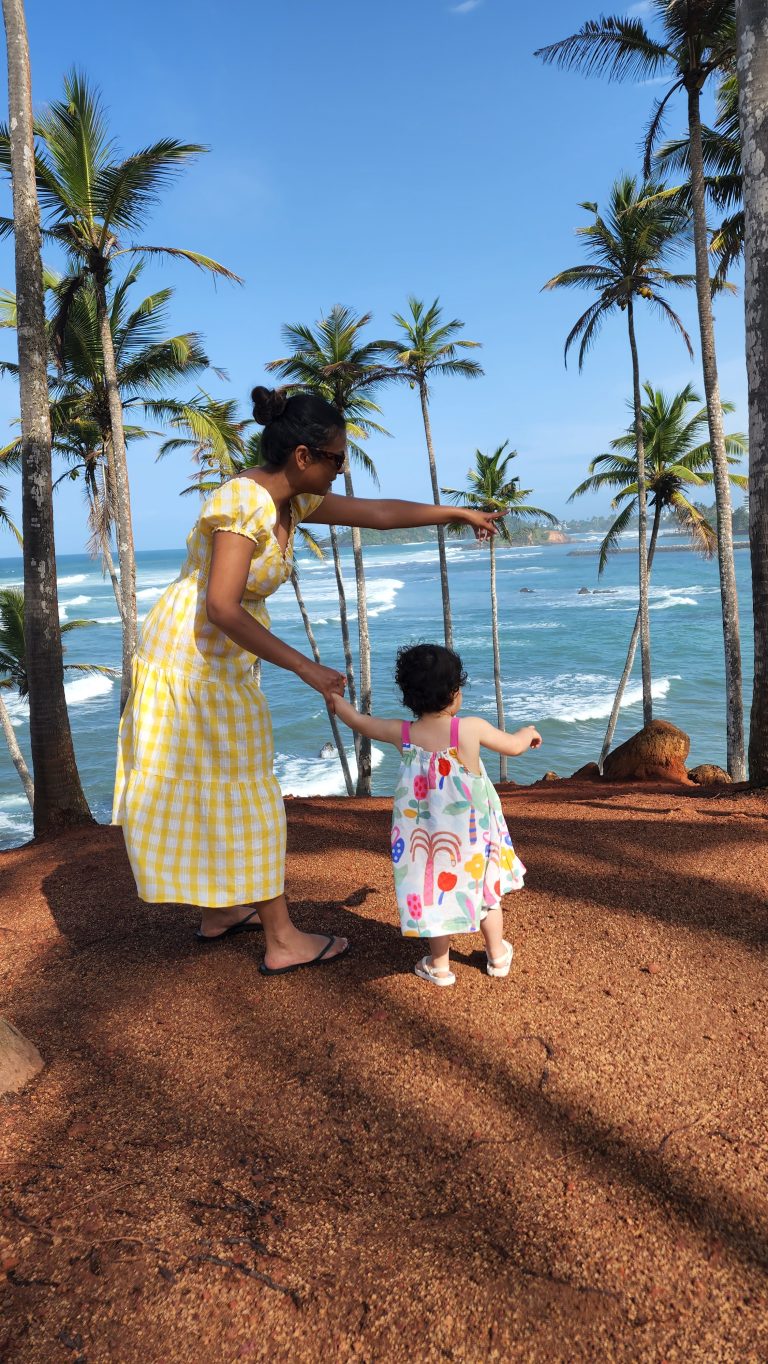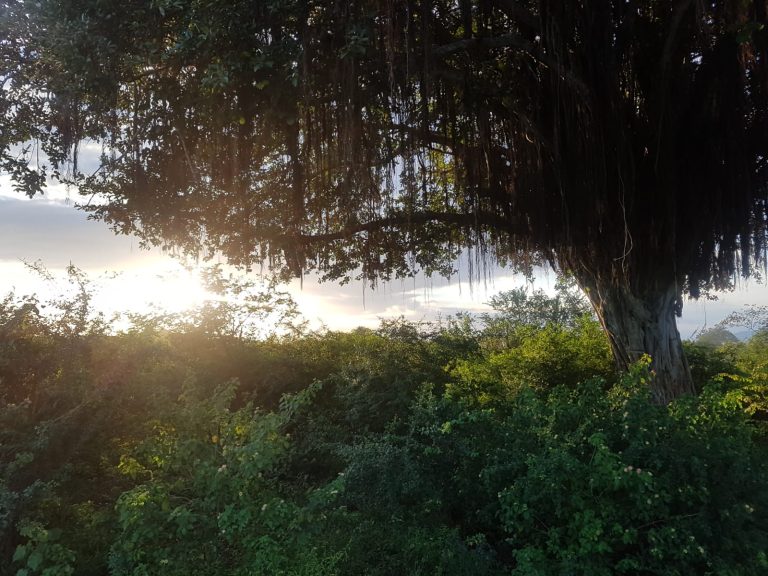
Planning a trip to Sri Lanka and wondering what to pack? Whether you’re heading to the beaches of the south coast, climbing Sigiriya, exploring ancient temples, or sipping tea in the cool hills of Ella, packing smart will make your trip significantly more comfortable.
Sri Lanka is tropical, culturally rich, and geographically diverse. You can be sweating on the coast one day and reaching for a jacket in the hill country the next.
This complete Sri Lanka packing list from Sri Lanka Unpacked covers exactly what to pack for Sri Lanka based on climate, culture, activities, and local norms.
Understanding Sri Lanka’s Climate Before You Pack
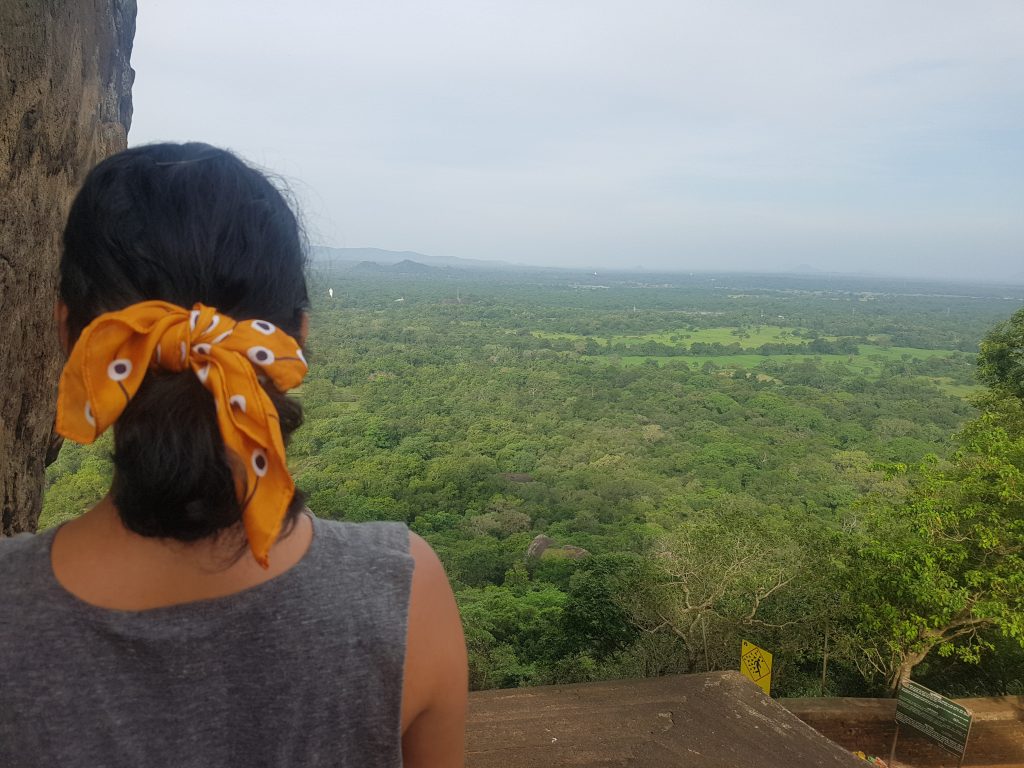
Sri Lanka has a tropical climate year-round, but the weather varies depending on region and season.
Majority of the Country
Hot, humid, and sunny most of the year. Expect temperatures between 28°C to 32°C (82°F to 90°F). However due to the tropical, humid climate this may feel hotter, sweatier and stickier than you may used to as these temperatures.
Hill Country (Ella & Nuwara Eliya)
Cooler mornings and evenings, especially in places like Ella and Nuwara Eliya. Night temperatures can drop to 10°C to 15°C (50°F to 59°F).
Monsoon Seasons
Sri Lanka has two monsoons affecting different parts of the island at different times of year. Expect short, heavy tropical downpours rather than all-day rain.
Read more about the weather and monsoons seasons in our guide, here.
Clothing: What to Wear in Sri Lanka
1. Lightweight, Breathable Clothing (Essential)
Sri Lanka is humid. As soon as you step out of the airport, your body will feel it. For this reason, natural fabrics are your best friend in Sri Lanka’s tropical climate
Pack:
- Loose cotton or linen T-shirts
- Lightweight dresses or skirts
- Breathable shorts
- Linen button-down shirts
- Comfortable travel pants
- Light sleepwear
If I am intending to visit Hill country, then I’ll wear jeans on my flight over to keep me warm on the flight and knowing I will get use out of in the Hill country, otherwise avoid jeans or other heavy, cold climate clothes.
2. Modest Clothing for Temples
When visiting temples, you must cover your shoulders and knees. Some of the more popular temples are very strict and your wardrobe will be assessed for modesty. In the past, there was an instance where I wore a dress that covered my shoulders and went down to my knees and was still deemed inappropriately dressed – I was denied entry until I made a make-shift maxi skirt with a cardigan I luckily had on me. Locals also wear white to the temple, so you may wish to align out of respect.
Pack:
- Lightweight scarf or shawl
- Long skirt or loose trousers
- T-shirts with sleeves
You’ll also need to remove your shoes before entering temples, so easy slip-on footwear is helpful.
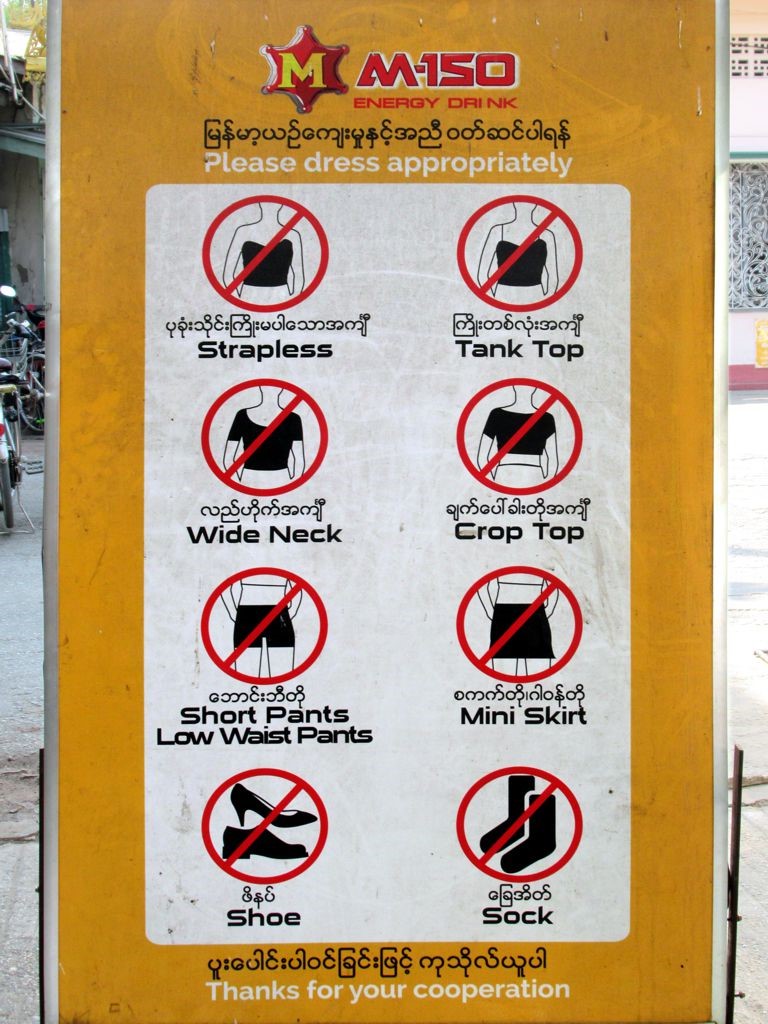
3. Swimwear (With Cultural Awareness)
Sri Lanka has incredible beaches and the locals are very used to tourists wearing a variety of swimwear – therefore, bikinis and swimsuits are fine and common place at tourist beaches. However out of respect, avoid walking through towns in swimwear. While Sri Lanka is relaxed, modesty outside beach areas is appreciated.
Footwear: What Shoes to Pack for Sri Lanka
Bring shoes suited to heat, dust, and walking, such as:
- Comfortable walking sandals
- Breathable sneakers for sightseeing
- Thongs (flip-flops for our non Aussie readers haha) for beaches
- Light hiking shoes (especially for Ella hikes or climbing Sigiriya)
Sun Protection: Essential for Sri Lanka
The Sri Lankan sun can be intense and given how many outdoor activities are available, it is essential your packing list includes sun protection. Consider packing:
- High SPF sunscreen (it is either difficult to find this in Sri Lanka or pricey)
- Sunglasses with UV protection
- Wide-brim hat or cap
- Reusable water bottle
You’ll need these while exploring ancient ruins, tea plantations, and coastal towns.
Rain & Monsoon Packing Essentials
If you are travelling in a region during monsoon season, bring a lightweight rain jacket or poncho.
Rain tends to be heavy but short-lived. No need for bulky waterproof gear unless you are a planning a multi-day trek in monsoon season.
Toiletries & Health Items
Basic toiletries are available locally, but it’s convenient (and at times, cheaper) to bring essentials, particularly if you have a brand preference.
Pack:
- Personal medications
- Insect repellent with deet (Repellent with deet will be harder to find in Sri Lanka)
If you’re travelling to rural areas, these become even more important.
Electronics
Due to regular travel for both pleasure and work, I have a checklist on my phone to remind me of the essential travel electronics to pack. The following can be helpful in Sri Lanka:
- Phone and charger
- Kindle
- Powerboard – This started as a travel essential in my 20s when I was travelling with friends and we all needed to charge phones and cameras while also plugging in straighteners and blow dryers. Power outlets were always in short supply. It’s still a must-pack now, not just for phones but also for things like white noise machines and other everyday essentials that need power
- White noise machine (with a night light) – when we begun travelling with kids, this became an essential to create a sense of familiarity, however it has also come in handy when accommodation is located in a nosier neighbourhood.
Sri Lanka uses Type D, M, and G plugs with a standard voltage of 230V. A universal travel adapter is recommended to accommodate various plug types.
Seasonal Packing Tips for Sri Lanka
December to April (South & West Coast Peak Season)
Focus on beachwear and sun protection.
May to September (Best Time for East Coast)
Pack beach essentials if heading east.
Hill Country (Year-Round)
Always pack a light sweater or jacket for cooler evenings.
Final Thoughts: How to Pack for Sri Lanka
Keep it simple. Keep it breathable. Plan for heat, occasional rain, and cultural respect.
Do that, and you’ll be ready to enjoy everything Sri Lanka offers, from golden beaches to misty mountains.
For more detailed Sri Lanka travel planning guides, itineraries, and practical advice, explore our other guides.
Disclaimer: This article may contain affiliate links. If you click through and make a purchase, we may earn a small commission at no extra cost to you. This helps us keep sharing free guides and tips – thank you for your support!