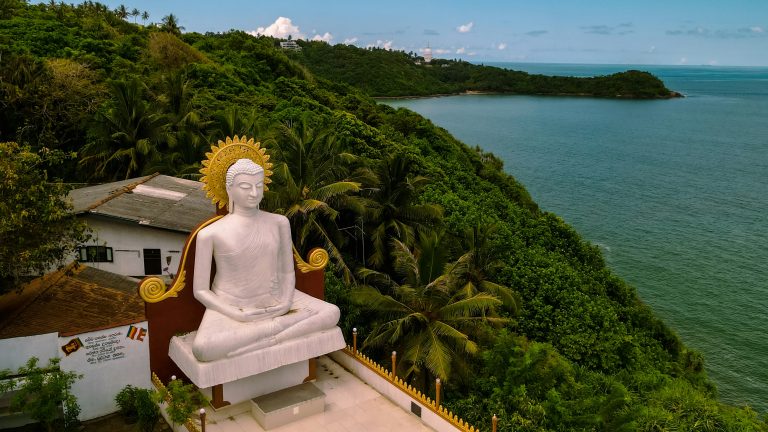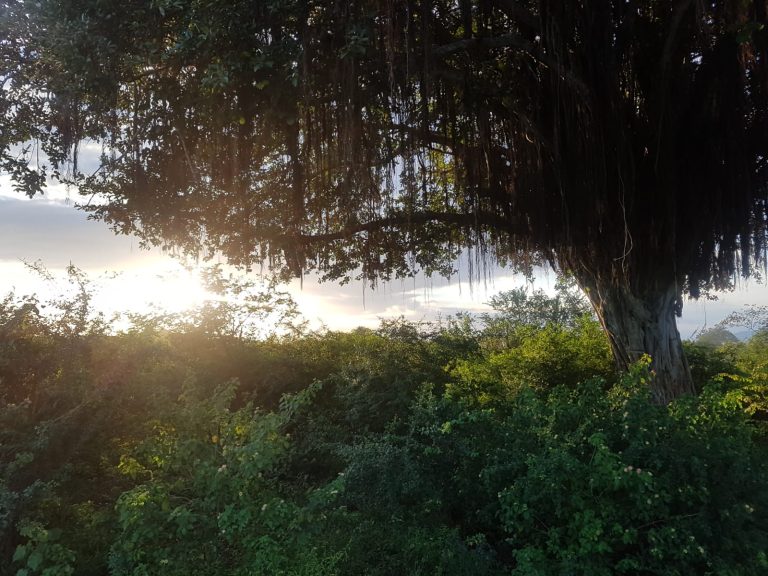
When I first journeyed to Sri Lanka, I had no idea that despite it’s compact size, the island experiences two asynchronous monsoons. For a chunk of the year, surfers carve six-foot swells off sun-soaked Arugam Bay in the east, while the beaches in Mirissa are subject to daily downpours. Come six months later, East coast surf schools go into hibernation, while whale-watching launches on the glassy seas off Mirissa. The lesson here: on this island, when and where you travel can make or break your plans. This article will equip you with the knowledge of when (and as a result where!) to travel in Sri Lanka.
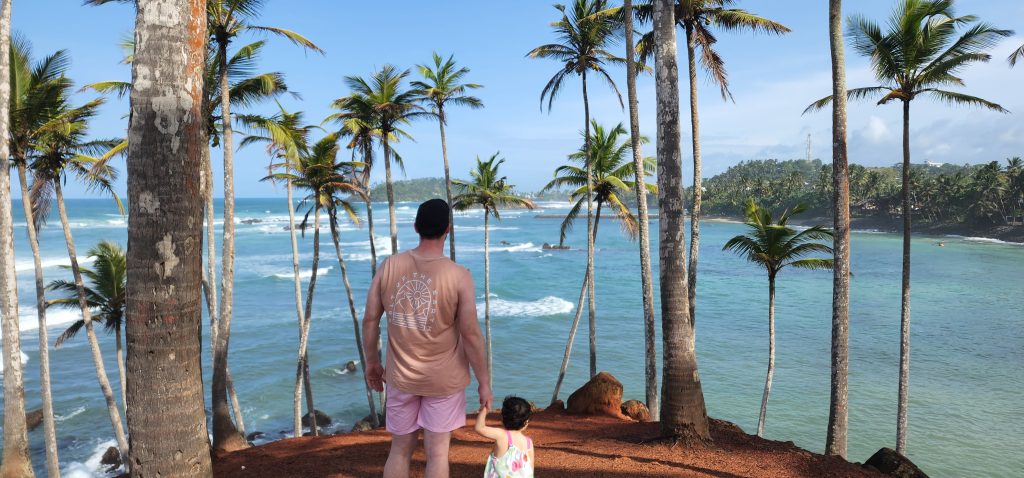
In Sri Lanka, two distinct wind systems divide the year: the southwest Yala monsoon (typically around May to August) and the northeast Maha monsoon (typically October to February ). What these shifting weather belts mean for travellers:
- Sun and surfers-seekers need to chase dry spells and clean swells on opposite coasts at different times of year.
- Wildlife lovers benefit from timing safaris for water-hole congregation during the dry season.
- Budget travellers can score great deals in shoulder months when rain scares off the masses.
Add in occasional cyclones, landslide-prone highlands, and peak-season price surges, and you can see why picking the right window isn’t trivial – it can be the difference between damp disappointment and postcard-perfect memories.
In this article, I’m going to help you unpack Sri Lanka’s seasons so you can time your travel style and get the most out of your trip.
Sri Lanka’s Seasons at a Glance
It’s almost like Sri Lanka operates on a see-saw for their weather, when its dry weather in south-west Sri Lanka it typically means wet weather in the north-east. Two somewhat polarised monsoon systems take turns watering opposite halves of the island, with a couple of shoulder periods in between.
| Season | When | Where It Rains | Where It Shines | Vibe in a Nutshell |
| Yala (SW Monsoon) | May -August | South & West coasts, Hill Country | East & North | Lush landscapes and lower crowds in the south/west; Arugam Bay surf season peaks on the East coast |
| Inter-Monsoon 1 | Oct – Nov | Island-wide, short sharp storms | — | Unpredictable weather but photogenic skies; big off-season discounts |
| Maha (NE Monsoon) | Oct – Feb | East & North | South & West | Peak beach season on the south/west coasts; busiest tourist period |
| Inter-Monsoon 2 | Mar – Apr | Scattered showers, hottest temps | Whole island mostly dry | New Year (Avurudu) festivities; ideal for travel island-wide |
Pros & Cons by Season
Yala Monsoon (May -August)
- Pros
- Great surf at Arugam Bay and Pasikudah.
- Great for spotting wildlife – dry eastern parks (Yala, Udawalawe) push elephants and leopards to shrinking water holes.
- Fewer tourists on the south-west, so hotel rates drop 20-40 %.
- Cons
- Rough seas and daily downpours on the Galle-Mirissa strip.
- Hill-country hikes risk leech parties and occasional landslides.
- Some rural roads flood, slowing public buses.
Inter-Monsoon 1 (October – November)
- Pros
- Landscapes turn lush green (great for those that love to snap a photo).
- Cheapest airfares generally around this time.
- Cons
- Weather roulette for example, you may experience a blue sky at breakfast and then a tropical deluge by lunch.
- Cyclone risk creeps up in late October.
Warning: Keep an eye on the Department of Meteorology’s cyclone alerts before long train or coastal bus rides.
Maha Monsoon (October – February)
- Pros
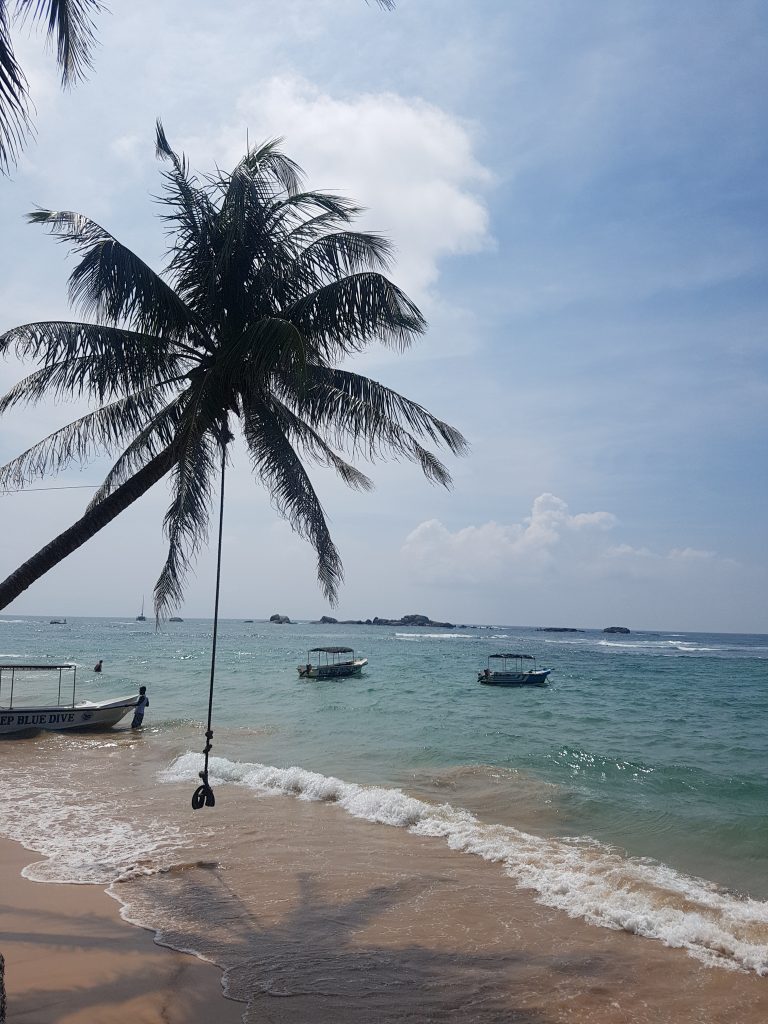
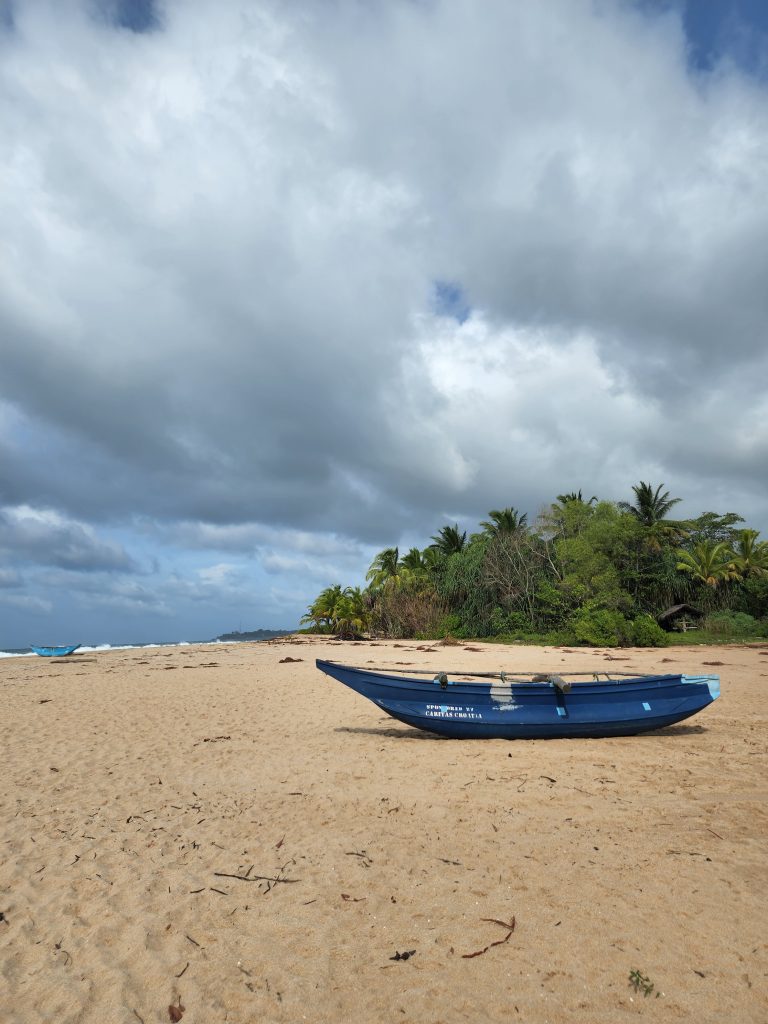
- Textbook beach days on the south & west: average 30 °C / 86 °F, low humidity, clear seas, ideal for whale-watching off Mirissa.
- Hill-country tea trails are crisp and misty – perfect for those that love a hike in comfortable weather.
- Cultural highs: Christmas lights in Colombo; Kandy’s Dalada Perahera (Jan) build-up.
- Cons
- Peak prices – book trains and beach hotels months ahead or risk missing out.
- East coast villages hibernate and (many) surf schools close.
- Sigiriya and Polonnaruwa can feel crowded by 10am.
Inter-Monsoon 2 (March – April)
- Pros
- Whole island enjoys a lull – great if you want to sample both coasts on one trip.
- Sinhala & Tamil New Year (mid-April) brings fun, fireworks, and smiling locals (hot tip: Don’t plan to travel on the actual day new year falls on as the roads are hectic with locals travelling to visit family and friends. Restaurants and services may also be closed) .
- Cons
- Hottest weeks of the year (coastal highs nudging a humid 34 °C).
- New-Year public-holiday shutdown can jam transport schedules.
Regional Split: Rule of Thumb
The rule of thumb is relatively simple:
| If you want… | Aim for | Why |
| Southern & Western beaches (Galle, Mirissa, Hikkaduwa) | Dec – Apr | Seas are calm, skies clear as the Maha rains pound the opposite coast. |
| Eastern surf & snorkel (Arugam Bay, Trincomalee) | May – Sep | Yala rains drench the south-west, leaving the east bone-dry and wave-rich. |
| Highland hikes (Ella, Horton Plains) | Jan – Mar | Post-monsoon clarity gives sweeping views; still cool enough for climbs. |
| Wildlife safaris (Yala, Minneriya elephant gathers) | Jul – Sep | Water scarcity concentrates animals at lakes and rivers. |
So… What’s the Best Season?
For first-time visitors chasing classic south-west beaches and the Cultural Triangle, I’d vote for mid-December to late March. You’ll dodge most heavy rain, catch whale migrations, and enjoy reasonably comfortable temperatures inland. Surfers should flip the calendar and hit the east coast between May and September. Frugal travellers (or anyone happy to embrace a tropical shower) can score big savings and far less crowded attractions in the shoulder months.
And… What’s the Best Month?
Based on everything above, I’d crown February the all-round champ: reliably dry on the south & west, seas glass-calm for whale cruises, and still shy of Easter-price spikes. Morning hikes in Ella stay cool, and cultural sites see shorter queues.
But… Should You Really Delay?
The reality is, Sri Lanka is nice to travel year-round:
- Even in monsoon months, rain often arrives as late-afternoon bursts – so schedule beach time early, museum visits later.
- Flip coasts:If you are after beaches, pick the coast that isn’t in its monsoon season
- Wildlife doesn’t take holidays; Yala’s leopards hunt in drizzle, and Udawalawe’s elephants bathe happily in puddles – and you’re bound to see cool wildlife regardless of when you visit.
While rain can be a hindrance to certain plans, there are pros and cons to each time of year in Sri Lanka. You can expect weather to be nicer at certain times, but you can also expect to see trade-offs in cost and crowds as a result. On the other hand, there’s no guaranteed weather, and it’s not possible to say for certain whether you’ll get what you hoped for whenever you arrive. Just ask Danushi – she swears she’s never noticed a significant difference regardless of the month she’s visited (although her parents now refuse to visit in April as they say its unbearably hot)!
So, to win no matter when you land, consider the following:
- Pack light, quick-dry layers and a small umbrella – Sri Lanka is humid, and even if you’re not getting wet from the rain, you’re likely to get damp from your own perspiration – pack accordingly.
- Showers often fall in short bursts, even in “rainy” months – so pack a light rain jacket and plan indoor activities for mid-afternoon downpours.
- Build in a weather “flex day” to give a bit of buffer – that way if rain washes out that Sigiriya climb, you can re-schedule and don’t need to panic about missing out altogether.
- Embrace mornings, as showers most often strike after lunch.
- Book trains around festivals (Perahera, New Year) at least a month out to make sure you don’t miss out.
- Time safaris for dawn or 3 pm when animals converge on water, regardless of the season.
- Use epic rail journeys (e.g., Colombo to Kandy, Kandy to Ella) as rainy-day backups – the scenery still dazzles through mist-kissed windows.
- Track cyclone alerts, particularly in October-November via the Department of Meteorology app before committing to coastal buses.
Conclusion
If you have total flexibility, choose when to go to Sri Lanka based on your personal interests:
- January – March for postcard beaches and whales in the south-west.
- June – August for east-coast surf and the mighty Elephant Gathering.
- July – September if you want culture-plus-wildlife, with Esala Perahera and Minneriya herds in one swing.
Let the island’s twin monsoons work for you – there’s almost always sunshine, fun, and adventure somewhere on the island.