This article is packed with the requirements, regulations and “good to knows” that prepare you to get the most out of Sri Lanka. So, before you hop on your flight, make sure you are across the below.
Do you need a Visa to travel to Sri Lanka?
Most travellers, including Australian citizens, must obtain an ETA before arriving in Sri Lanka. The ETA is valid for 30 days and can be extended once for another 30 days. You can apply online through the official Sri Lanka ETA website.
We have had instances where they have checked our visa in Sydney as we’ve checked in our bag, so make sure you have a copy easily accessible in your departure country too.
If you plan to stay longer than 60 days, you must apply for a visa extension through the Department of Immigration and Emigration in Colombo. Ensure your passport is valid for at for at least six months beyond your intended stay.
What are the testing requirements for travelling to Sri Lanka?
There are no mandatory COVID-19 testing or vaccination requirements for entry. However, it’s advisable to be up-to-date with routine vaccinations and consult your healthcare provider about recommended vaccines for Sri Lanka, such as hepatitis A, hepatitis B, typhoid, and rabies.
What’s the weather like in Sri Lanka?
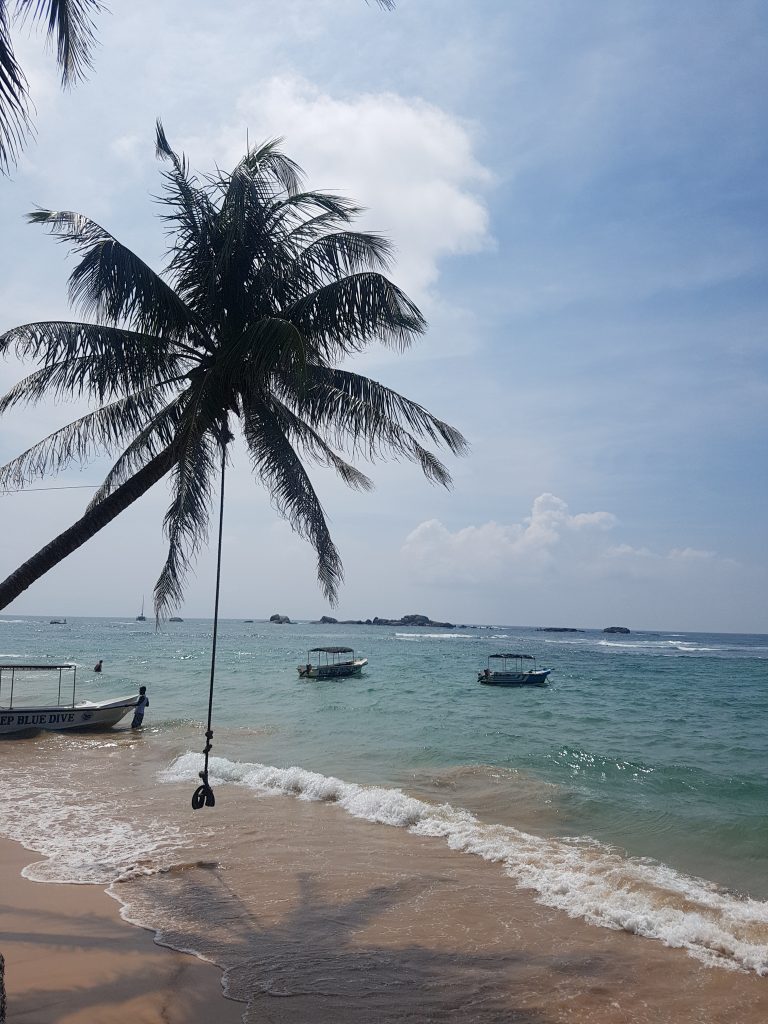
Hot! I will always associate Sri Lanka with heat. Sri Lanka’s climate is tropical, with average temperatures ranging from 27°C to 28°C. It does, however, get cooler in the Hill country.
Is Sri Lanka a safe country to visit?
After a lengthy civil war ending in 2009, Sri Lanka has been at peace since and a generally a safe country to visit, especially for tourists who stick to common travel precautions. Most visits are trouble-free, and locals are generally warm and welcoming. Like anywhere, it’s good to stay aware of your surroundings, avoid political protests, and check for travel advisories before you go. Personally, I have never been in situations where I have felt unsafe but would say a little common sense goes a long way.
And like with any overseas travel, travel insurance is highly recommended to cover medical emergencies, trip cancellations, and other unforeseen events.
What to pack?
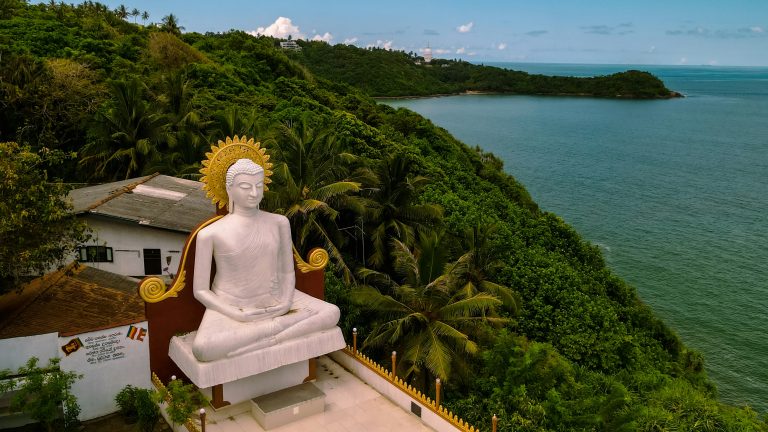
Lightweight, breathable clothing is ideal. If you plan to visit religious sites, pack modest attire that covers your shoulders and knees. Local tip: Sinhalese Buddhists typically wear white and lighter colours.
Your feet and body will thank you for taking comfortable walking shoes for exploring cities and natural sites. Given the heat, thongs (flip-flops for our non-Aussie readers!) or sandals are suitable for the beach and casual outings.
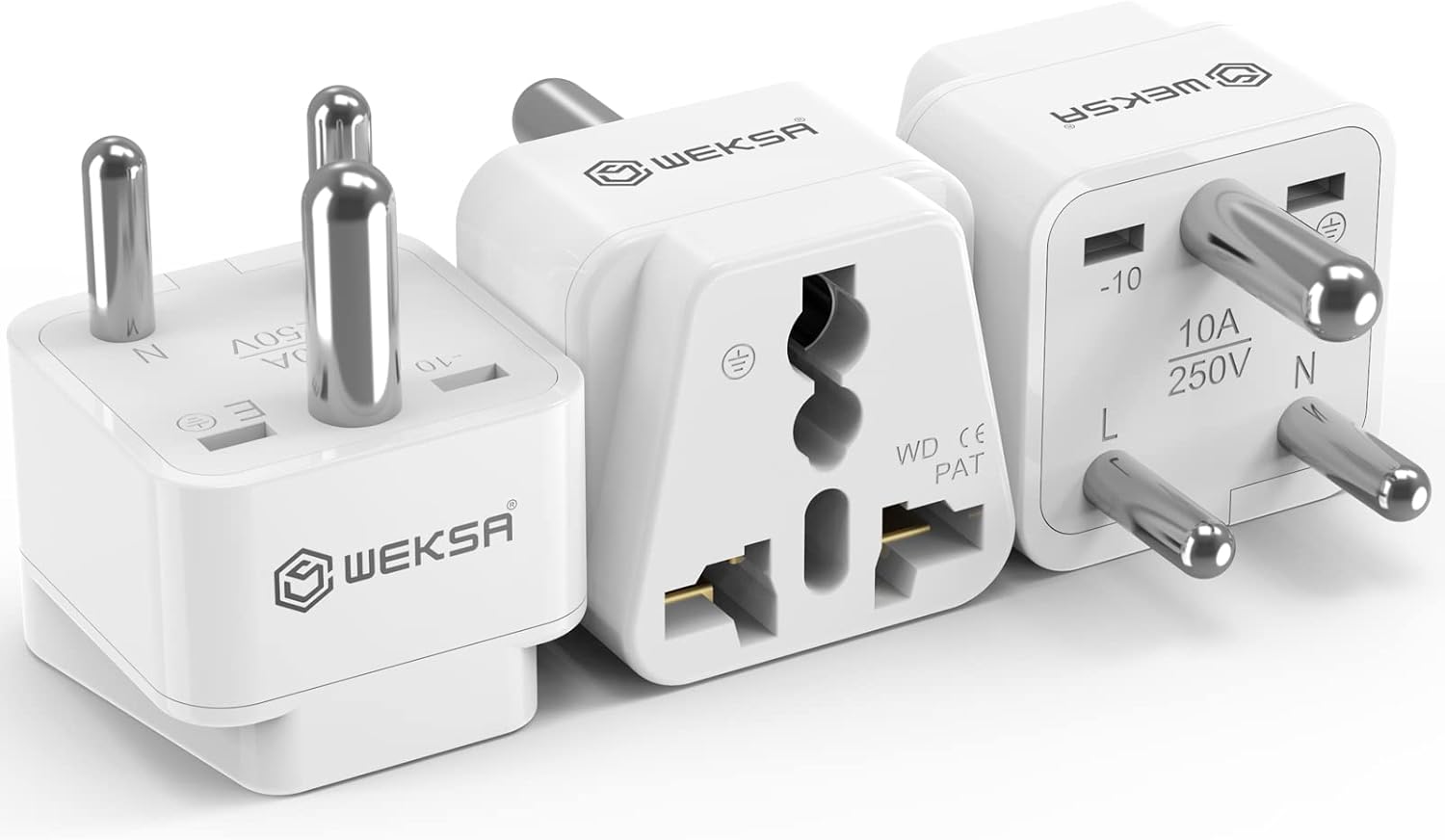
Asides from clothes, remember to pack your travel adapter. Sri Lanka uses Type D, M, and G plugs with a standard voltage of 230V. A universal travel adapter is recommended to accommodate various plug types.
My other essential Sri Lanka packing ‘must’ is mosquito repellent – typically with deet. They love me and they can carry diseases such as dengue (although I have been bitten many times while over there and haven’t caught anything). When we have taken our toddler to Sri Lanka, we took over mosquito patches which we stuck on her clothes and on her porta cot.
Money and Currency
Sri Lanka’s official currency is the Sri Lankan Rupee (LKR). While some tourist spots may accept US dollars or other major currencies, it’s always better to have local currency on hand for most transactions.
ATMs are available in major cities, and many accept international cards (Visa/Mastercard). However, smaller towns may have limited access to ATMs. I typically withdraw money at the ATMs located at the banks for that added sense of safety.
In terms of cash vs. card, while major credit and debit cards (Visa, MasterCard) are accepted at many hotels, upscale restaurants, and shops in larger cities, many smaller vendors and rural areas operate on a cash-only basis. For that reason, I would highly recommend carrying a mix of cash and cards.
For how much money to budget for your trip, check out our guide to the costs to visit Sri Lanka.
Accommodation
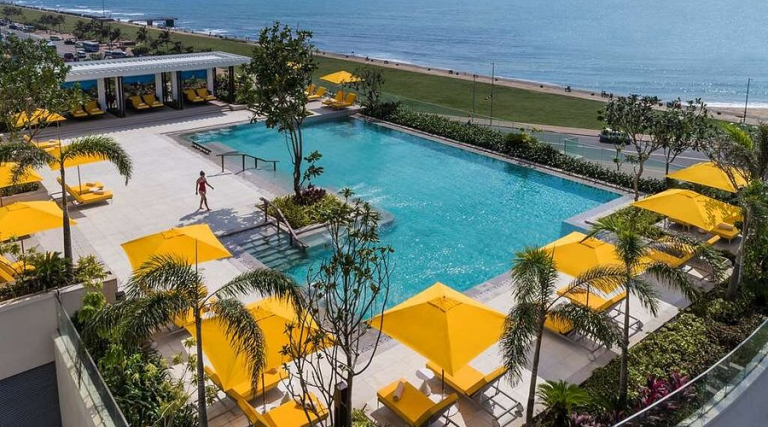
Sri Lanka offers a wide range of accommodations to suit different budgets. With the tourist boom kicking off in Sri Lanka after the end of the Civil War and Lonely Planet naming Sri Lanka its top destination in 2019, the range of accommodation available is only growing. So, whether you are after a luxe holiday or budget friendly travels, then you will easily be able to find something to suit your taste.
I will note that hostel culture is still relatively new, and budget guesthouses (essentially locals setting up bed and breakfasts in their homes) are a much more established practice. In fact, my family have been running one out of their home in Galle (it’s called Beach Haven and has been featured in Lonely Planet and Rough Guides) for longer than I have been alive!
Food & Drink
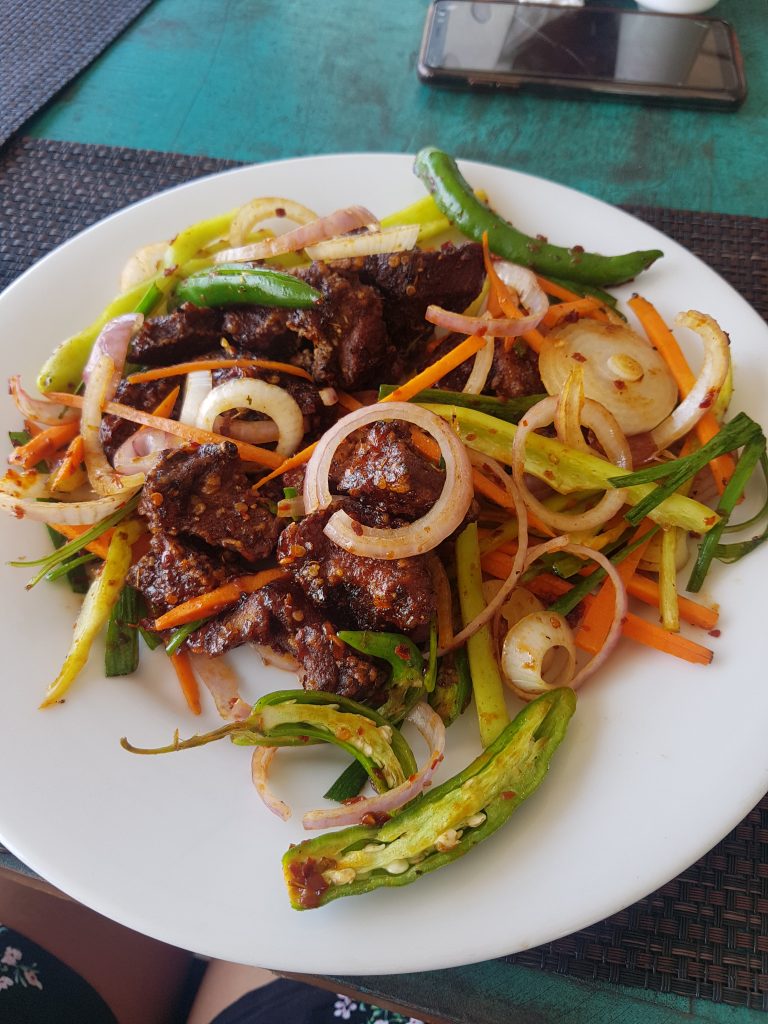
Is Sri Lankan food like Indian food? That is a question I’ve been asked since my school days. My original response used to be along the lines of, “not really”, afterwhich I would spend a fair amount of time struggling to describe the difference. But, as I’ve grown older and been exposed to more cuisines of the world, I would say although Sri Lankan food shares some similarities with Indian cuisine—the use of spices, rice, and curries—it’s definitely its own thing. And if anything, I have found Malaysian dishes reminding me more of Sri Lankan dishes than Indian dishes.
A quick note on drinking water: Tap water is not safe to drink. Always opt for bottled or filtered water.
SIMs
You can easily get a physical SIM card on arrival in Sri Lanka, with counters at the airport run by the main local networks. It’s a straightforward process, but it does mean swapping SIMs (and I have landed back in Australia to realise the safe spot I kept my usual SIM was not so safe…). To avoid that, we personally switched to pre-organising an eSIM before flying. We use Saily, which lets you set everything up in advance and connect as soon as you land, without changing cards (and Saily offers eSIMs for several countries which is why I went with them to save downloading different apps for the different countries we travel to). If you go down the eSIM route, you can use the code DANUSHI8045 to get US$8 off your first plan.
Getting Around
Public Transport:
Buses and trains are widely available and affordable but can be crowded and less punctual.
Private Transport:
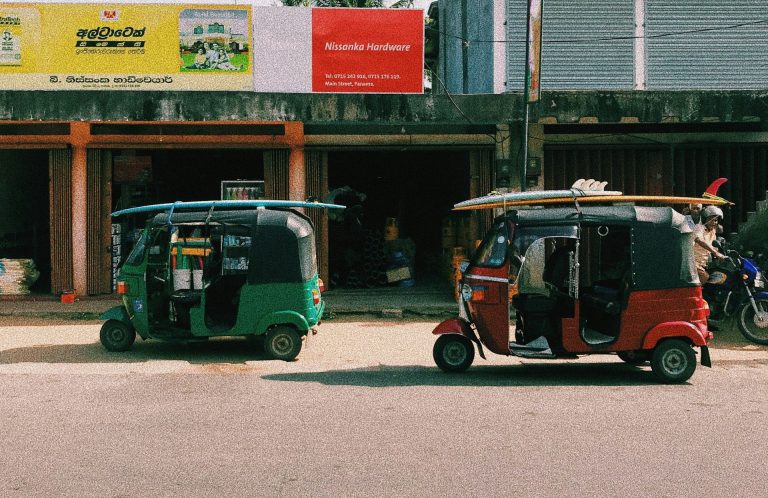
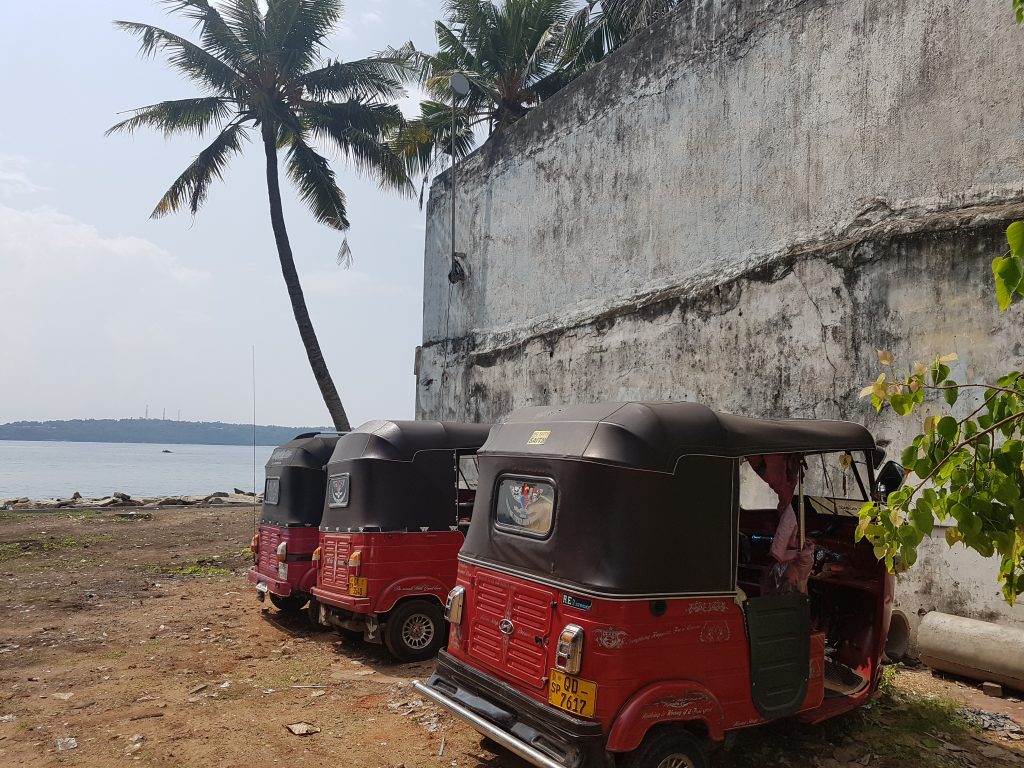
Hiring a private driver or taxi is a comfortable option for longer journeys. Tuk-tuks are convenient for short distances. Whichever mode you go with, always agree on the fare before you start the ride. There is an increasing number of metered tuk-tuks which will also give you peace of mind.
Driving:
Driving in Sri Lanka can be challenging due to hectic traffic and road conditions. It’s advisable to hire a local driver instead of self-driving.
What to do in Sri Lanka and how long should I go for?
I know it’s not common for travel websites to combine the two questions, but for me, asking how long you should go for is like asking, “how long is a piece of string?” Sri Lanka boasts beautiful beaches, world heritage listed historical and cultural sites, safaris, and much more, so what you do and how long you go for is really up to you – and how much annual/holiday leave you have saved up! If you’re curious to learn more, explore our guides and get inspired!
Disclaimer: This article may contain affiliate links. If you click through and make a purchase, we may earn a small commission at no extra cost to you. This helps us keep sharing free guides and tips – thank you for your support!