Sri Lanka is once again navigating a major external shock, this time driven by escalating conflict in the Middle East. While the situation is unfolding thousands of kilometres away, the ripple effects are being felt across the globe, including Sri Lanka.
The key thing to understand:
Sri Lanka itself remains open to travellers.
But if you’re travelling soon, or planning a trip in the coming months, you are likely questioning if it is still safe to visit Sri Lanka and if your trip will be impacted.
This guide breaks down what’s actually happening, what it means for your trip, and whether Sri Lanka is still worth booking right now.
Issue 1: Getting to Sri Lanka – Flight Disruptions
This is currently the biggest challenge for travellers.
A large proportion of visitors to Sri Lanka typically transit through Middle Eastern hubs like Dubai, Doha and Abu Dhabi. With those routes disrupted, travel, especially from Europe, has become less predictable.
What’s happening now:
- Gulf carriers (including Emirates, Qatar Airways and Etihad) are operating reduced or adjusted schedules, with ongoing changes
- Some flights are being rerouted to avoid affected airspace, increasing travel time
- Airlines are offering rebooking or refund options for disrupted flights
What this means for you:
- If your flight routes through the Middle East, check your airline status regularly
- Build flexibility into your travel plans where possible
- Routes via India, Southeast Asia and East Asia are generally less affected
- Expect potential delays, rerouting or longer flight times
Summary:
If you can get there via a stable route, travel within Sri Lanka remains very much possible.
Issue 2: Fuel Rationing – What It Means for Travellers
Sri Lanka has reintroduced its National Fuel Pass (NFP) system, a rationing mechanism first used during the 2022 economic crisis (which we have experienced travelling in).
Initial weekly fuel quotas introduced from 15 March:
- Motorcycles: 5 litres
- Cars: 15 litres
- Three-wheelers (tuk-tuks): 15 litres
- Vans: 40 litres
- Buses: 60 litres
- Lorries: up to 200 litres
(Some categories may have since been adjusted, and limits may continue to change.)
Does this affect tourists?
Not directly but it’s worth understanding the context.
- Tourism vehicles (drivers, vans, taxis) are being prioritised in fuel allocation
- Hotels and tourism operators have been given support to maintain services
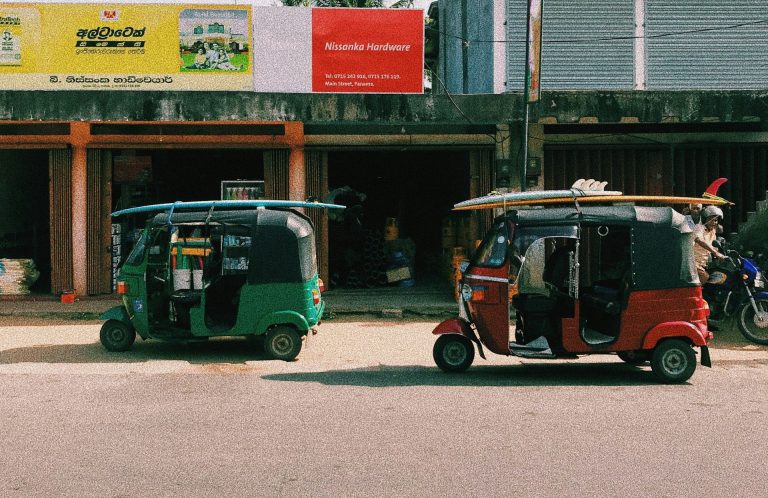
- Tuk-tuks and private drivers remain widely available
Practical realities:
- Petrol stations may still have longer wait times than usual, however they tend to prioritise tourists
- If renting a car, ensure your vehicle is registered under the fuel system
- Self-driving is possible but less convenient than usual
- It may take longer to locate a ride on whim in some places, my advice based on travelling during the last fuel rationing is if you find a tuk tuk driver- get their number. More importantly, as best as you can book drivers ahead of time
Issue 3: Costs Are Rising
Higher global oil prices are flowing through to Sri Lanka’s local economy.
What you may notice:
- Slight increases in transport costs (tuk-tuks, drivers)
- Some upward pressure on food and restaurant prices
- New bookings for accommodation or tours may reflect higher operating costs
However, accommodation prices may also drop as hotels try drum up business during another blow to tourism.
Ultimately, we are privileged enough to be holiday-ing in a country that has had a few blows economically so try to keep that in mind if you are finding some prices have gone up.
What’s Open Right Now?
Sri Lanka’s tourism infrastructure is largely operating, but conditions can vary.
Beaches, hotels and major tourist areas are open
- Cultural sites and attractions remain accessible
- Transport networks are functioning, though delays are possible
- Some Wednesdays may be quieter due the recently introduced public holiday as part of the fuel conservation measures
Is It Safe to Travel to Sri Lanka Right Now?
Sri Lanka is not a conflict zone.
Current government travel advisories (including the UK and US) have not issued “do not travel” warnings for Sri Lanka.
However:
- Travellers are advised to exercise caution and monitor updates
- The Middle East conflict may impact flight routes and travel logistics
- Conditions can change quickly, particularly with aviation
The key takeaway:
The main risk right now is disruption not safety on the ground
How to Travel Responsibly Right Now
Sri Lanka is under real economic pressure. Your trip can make a meaningful difference.
- Use local drivers
- Tip where you can
- Support local businesses and guesthouses
- Be patient and flexible with transport and timing
- Avoid tight schedules build in buffer time
Practical Checklist Before You Travel
- Check your flight routing and airline updates
- Ensure your travel insurance covers disruptions
- Avoid tight or non-refundable connections
- Arrange a driver or transport in advance
- Stay flexible with your itinerary
Stay Updated
The situation is evolving. For the latest updates:
- Sri Lanka Tourism Development Authority (SLTDA)
- Your government travel advisory (e.g. Smartraveller, UK FCDO, US State Department)
- Your airline directly
Planning a Trip to Sri Lanka?
Explore more guides, itineraries and travel tips at Sri Lanka Unpacked
Follow @srilankaunpacked on Instagram and TikTok for real-time updates
Got a question about travelling right now?
Drop it in the comments we’re happy to help.
Disclaimer: This article may contain affiliate links. If you click through and make a purchase, we may earn a small commission at no extra cost to you. This helps us keep sharing free guides and tips – thank you for your support!