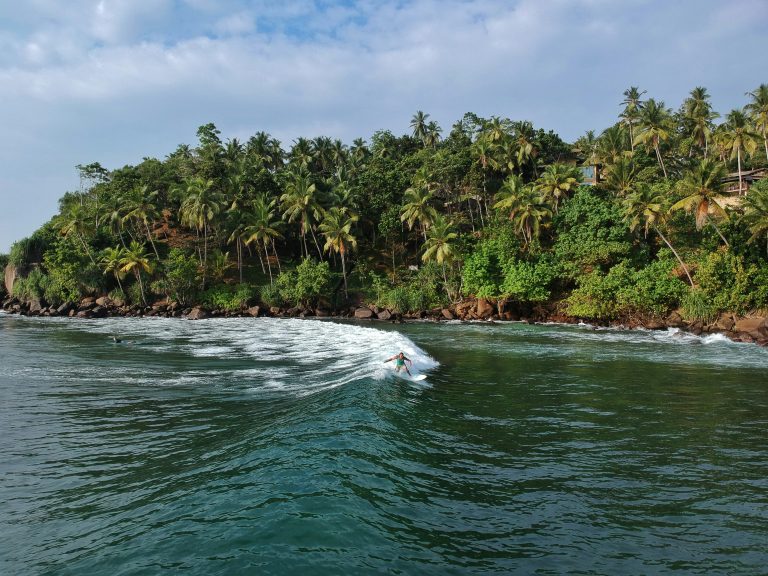
Sri Lanka rarely comes up in conversations about safaris. Africa dominates the imagination. Yet Sri Lanka’s national parks are home to elephants, sloth bears, buffalo, and a thriving leopard population. I was recently at a baby shower when a woman told me she was keen to take her primary school aged kids on safari. She had always assumed Africa was the only option. When she discovered that safaris are possible in Sri Lanka, she was thrilled by the idea of a much easier flight. Then she asked me the real question. Is a safari in Sri Lanka actually worth it?
My answer is yes. And with kids, it might even be better.
This guide will help you decide whether a Sri Lankan safari should be part of your itinerary.
What Animals Can You See on a Sri Lanka Safari?
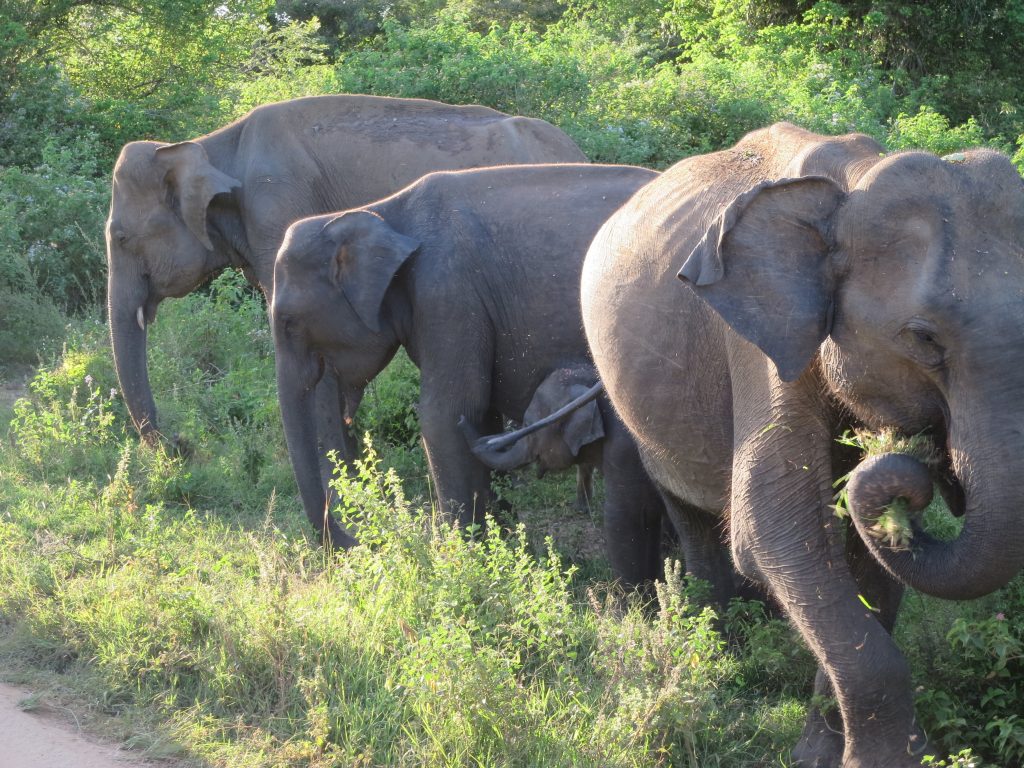
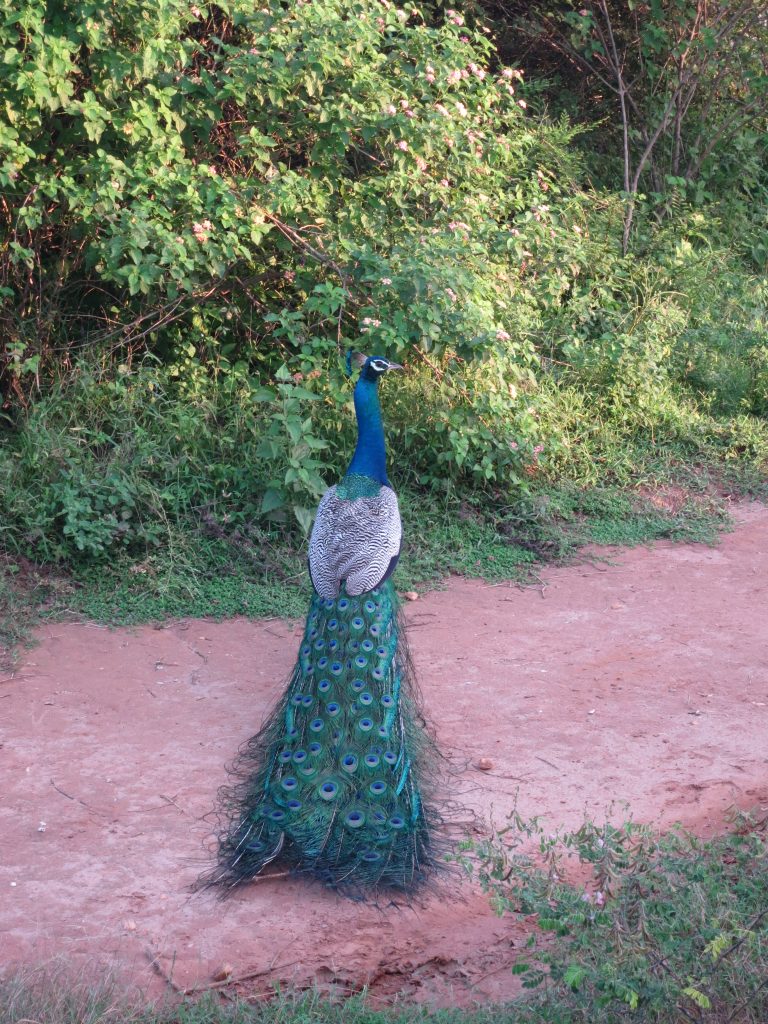
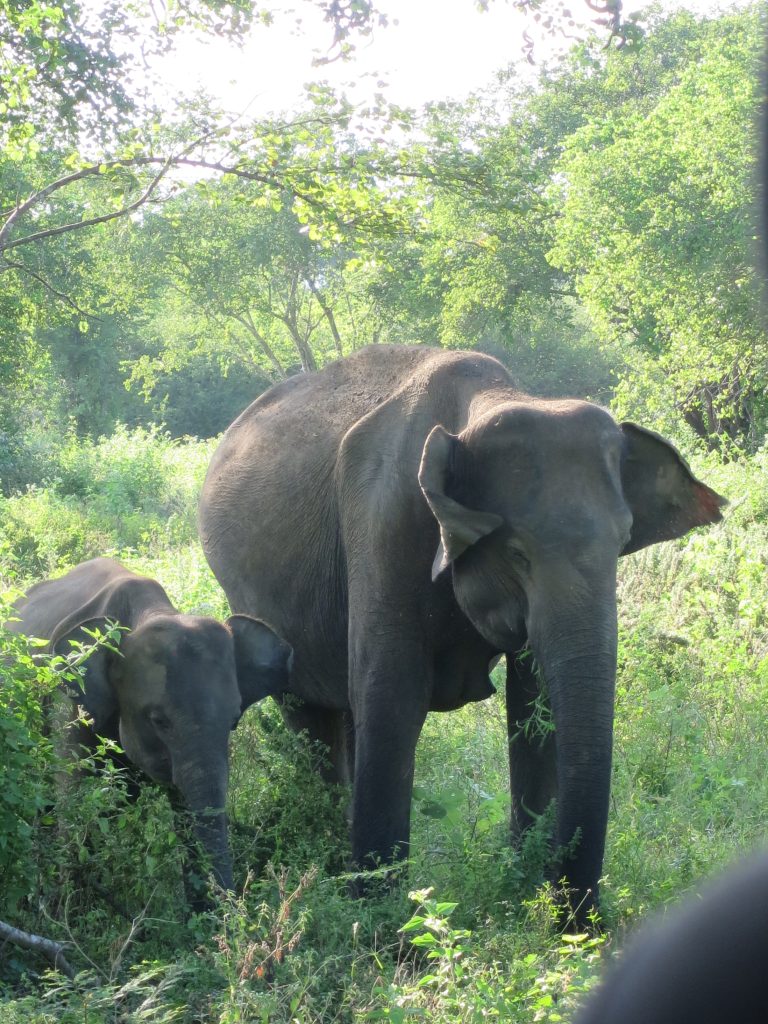
Many people are surprised at the extent of animals you might see on a safari in Sri Lanka. On a typical safari in Sri Lanka, you might see:
- Elephants, which are very common in several national parks
- Peacocks
- Leopards
- Crocodiles
- Water buffalo
- Deer
- Wild boar
- A wide variety of birdlife
For many visitors, leopards are the most coveted sight on a Sri Lanka safari, but sightings are never guaranteed. I have friends who have been lucky enough to see several, while others have seen none at all. That is completely normal for an experience that is not staged but rather animals existing in their natural environment
We personally spent hours on safari in Yala hoping to spot a leopard, and the best we managed was a glimpse of a tail disappearing into the bushes. Honestly, that was still pretty cool.
If your main goal is seeing elephants in the wild, Sri Lanka delivers exceptionally well.
How Sri Lanka Safaris Compare to African Safaris
I haven’t been on safari in Africa but it is still on my bucket list because I know they will be different experiences. It’s important to set expectations early. A safari in Sri Lanka is not the same as a multi-day African safari and that’s not a bad thing. For many travellers, especially families, this is actually a benefit (and what I explained to the mum at the baby shower). You get a meaningful wildlife experience without needing to commit several days or a large portion of your budget.
Summary of key differences:
- Duration: Sri Lanka safaris are usually half-day experiences (3–4 hours)
- Cost: Significantly more affordable than African safaris
- Travel time: Parks are often closer to major travel routes
- Experience style: One-off wildlife experience rather than a lodge-based trip
Is a Sri Lanka Safari Suitable for Kids?
This is where Sri Lanka safaris really shine.
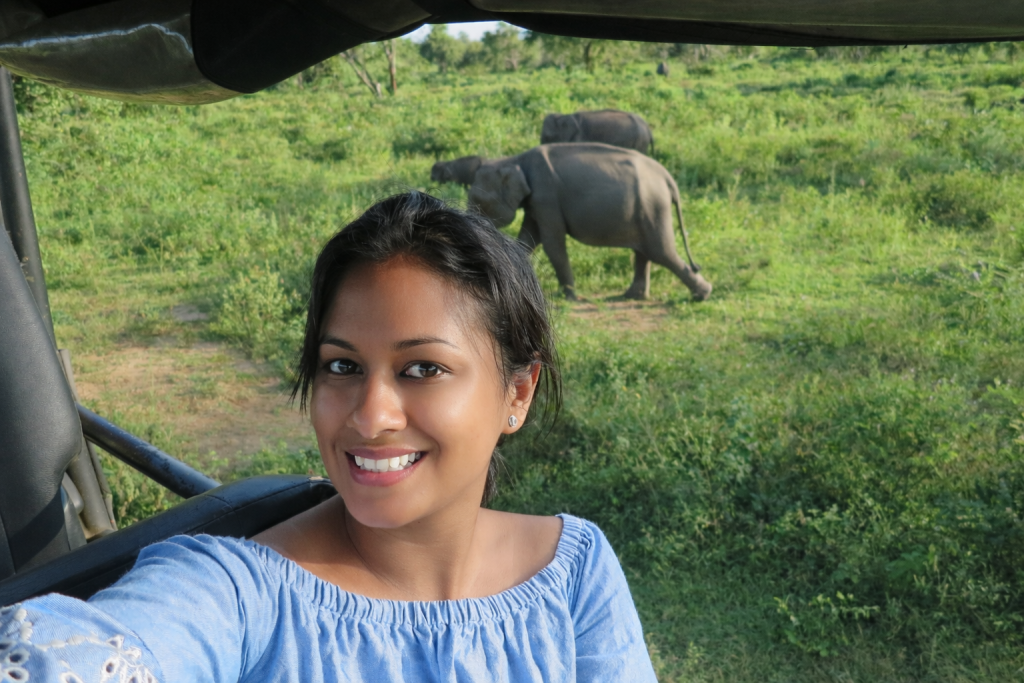
Many national parks are family friendly, and it is common to see children on safaris. When I did a safari in Yala, I was a teenager and my sister was still primary school aged. Ultimately, whether it suits your family depends a lot on your child’s age and temperament.
I loved the Yala experience, but my younger sister, who has a very different temperament to me, lost interest fairly quickly. She struggled with the length of the drive and the open air nature of the jeep.
Things to consider:
- Safaris are done in open air jeeps
- Drives can be bumpy at times
- Morning safaris start early, often around 6am
- Afternoon safaris can be warm
For younger children, shorter safari experiences tend to work best. Many families choose to do just one safari rather than trying to fit in multiple parks, for example picking either Yala or Udawalawe instead of visiting both. If your child enjoys animals, vehicles, and outdoor experiences, a Sri Lanka safari can easily become a highlight of the trip. It certainly was for teenage me.
For more guidance on travelling to Sri Lanka with kids, check out our guide here.
How Much Does a Safari in Sri Lanka Cost?
Safari costs vary by park, but they are generally very reasonable compared to other countries.
Typical costs include:
- National park entry fee (per adult and child)
- Jeep hire (private or shared)
- Driver/guide fee
Private jeeps cost more but are often worth it for families, as they allow flexibility with timing and stops. Both times we’ve done a safari, we’ve opted for private jeeps as they also provide more flexibility.
To help you budget, most half-day experiences cost around US $26–$120 (AU $40–$180) per person, while private jeep safaris for couples or families typically range from US $120–$250 (AU $180–$375) per vehicle, depending on the park, duration, and inclusions. Full-day safaris, particularly in Yala National Park, sit at the higher end due to longer game drives and added extras. For more general Sri Lanka travel costs, check out our guide.
I found a four hour private safari tour of Udawalawe National Park cost $38 per person at the time of writing.
Ethical Safari Considerations in Sri Lanka
Sri Lanka is a good destination for ethical wildlife experiences, as safaris take place in protected national parks.
When planning a safari:
- Avoid attractions offering elephant rides or performances
- Choose operators who respect wildlife distances
- Be wary of anyone promising guaranteed sightings
A responsible safari focuses on observing animals naturally, even if that means not seeing everything on your wish list.
Is a Safari Worth Including in a 7–10 Day Sri Lanka Trip?
For most travellers, yes. I have included one in our first timers 10-day itinerary.
A safari works best when:
- You’re already travelling near a national park
- You have at least 7 days in Sri Lanka
It may be less worthwhile if:
- Your trip is very short (under 5 days)
- Early mornings or long drives are not realistic for your family
You can explore and book a range of Sri Lankan safari experiences via Viator.
Travelling to Sri Lanka Soon?
Make sure to check out everything (else) you need to know before going to Sri Lanka. Also, follow us on Tik Tok or Instagram at @srilankaunpacked and join our community of travellers planning future Sri Lanka adventures.
Disclaimer: This article may contain affiliate links. If you click through and make a purchase, we may earn a small commission at no extra cost to you. This helps us keep sharing free guides and tips – thank you for your support!