
Sri Lanka is currently experiencing one of its most severe natural disasters in decades. In late November 2025, Cyclone Ditwah brought heavy rainfall and widespread flooding across the many regions of the country. While the humanitarian impact remains severe, Sri Lanka’s tourism sector continues to operate in many regions, particularly along the west and south coasts, though travellers should stay aware of ongoing disruptions inland
In this guide, we break down which areas have been most impacted, where travel remains generally safe, and what this means if you’re planning a trip now or in early 2026.
What Happened? A Quick Overview
Cyclone Ditwah made landfall on Sri Lanka’s east coast on 28 November, triggering heavy rainfall, flash floods, and landslides across the island.
Current reports indicate:
- 1.8 million+ people affected
- Hundreds of deaths and people missing
- 170,000+ displaced into temporary shelters
- Significant damage to homes, schools, roads and bridges
- Some areas still experiencing disruptions to power, water and transportation
This has been described as one of Sri Lanka’s most widespread disasters since the 2004 tsunami. Despite the widespread impact, much of the coastal tourism infrastructure remains intact and operational, while inland regions continue to face recovery challenges, especially in landslide-prone districts.
Where the Floods Have Hit the Hardest
Below is a region-by-region summary of the most affected areas and what travellers should know before planning or continuing their trip.
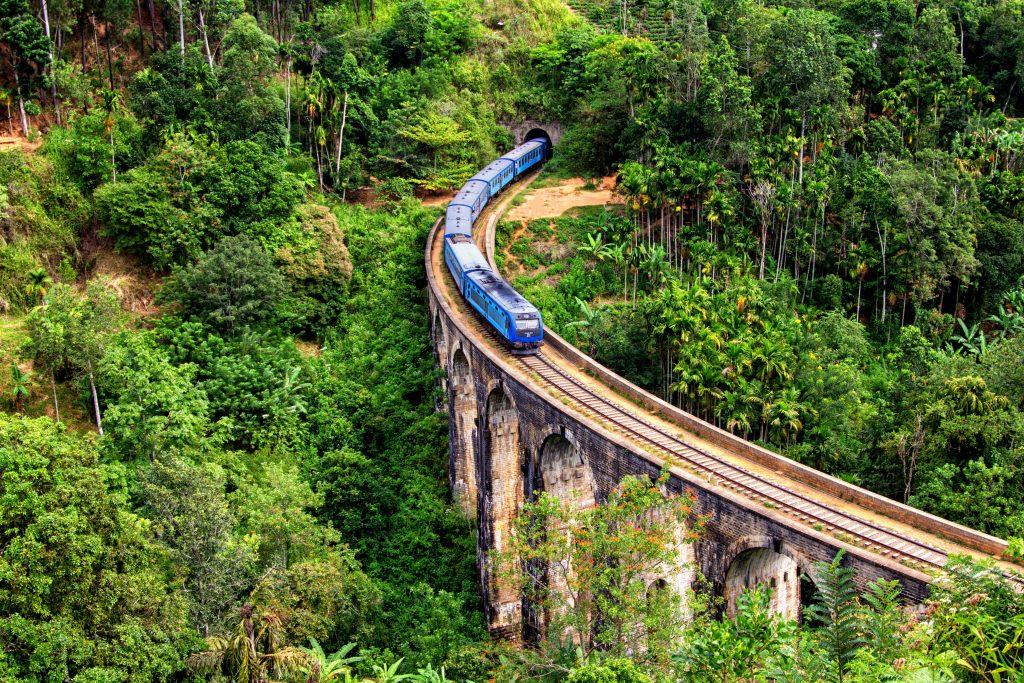
1. Central Hill Country: Kandy, Nuwara Eliya, Ella (Most Impacted)
Sri Lanka’s beloved hill country , famous for tea plantations, waterfalls and train rides, is among the hardest hit.
What’s happening:
- Landslides and unstable slopes
- Road closures and detours
- Rail disruptions on popular routes (including the Kandy- Ella line)
- Limited access in some pockets
- Localised power and water interruptions
Government travel advisories continue to urge travellers to exercise a high degree of caution and to avoid unnecessary travel into steep central districts due to ongoing landslide risk and unstable terrain.
Traveller takeaway:
Some rail and road links have reopened, but conditions remain highly changeable. New landslides and road blockages continue to be reported, and heavy rain is expected to affect stability in parts of Kandy, Ella, Nuwara Eliya and surrounding districts.
2. North Central & North-West Interior: Anuradhapura, Puttalam, and Inland Roads (Heavily Impacted)
These regions experienced widespread flooding, particularly around Anuradhapura, Puttalam, and parts of the corridor between Negombo and Chilaw.
What’s happening:
- Several major roads were submerged earlier in the floods, and although many have reopened, intermittent closures and detours still occur following renewed rainfall.
- Essential services (water, electricity, supplies) experienced interruptions
- Many inland routes have reopened, but detours and slow-moving traffic remain common
Traveller takeaway:
The cultural sites themselves (e.g., ancient cities) remain intact, but getting there may be more complicated at the moment. Build in flexibility and check local updates before travelling inland.
3. Colombo & Other Low-Lying Urban Areas (Moderate Impact)
Sri Lanka’s capital saw significant flooding in several suburbs and main roads.
Current status:
- Floodwaters have largely receded
- Clean-up operations are ongoing
- Most hotels and tourism businesses are open, though travellers may still encounter pockets of disruption or reduced services in low-lying neighbourhoods
Traveller takeaway:
You can still stay in Colombo, but expect some visible clean-up efforts and occasional disruptions.
Where Travel Remains Mostly Safe and Operational
Despite the scale of the disaster, much of Sri Lanka’s coastal tourism infrastructure remains operational. This is important both for travellers and for the livelihoods of thousands of Sri Lankans who rely on tourism.
1. West & South Coasts: Negombo to Yala (Largely Operational)
This includes major destinations such as:
- Negombo
- Bentota
- Hikkaduwa
- Galle Fort
- Unawatuna
- Mirissa
- Coastal areas heading down toward Matara and Yala
Current status:
- Physical damage has been limited compared to inland regions, and coastal areas have recovered more quickly, though isolated pockets did experience temporary flooding.
- Hotels and guesthouses are open
- Beach conditions are normal in many areas
- Main coastal roads are passable and widely used
Tourist arrivals and hotel operations continue, according to Sri Lanka Tourism and hotel associations.
Traveller takeaway:
If you’re visiting soon, the west and south coasts offer the smoothest travel experience during the post-flood recovery period.
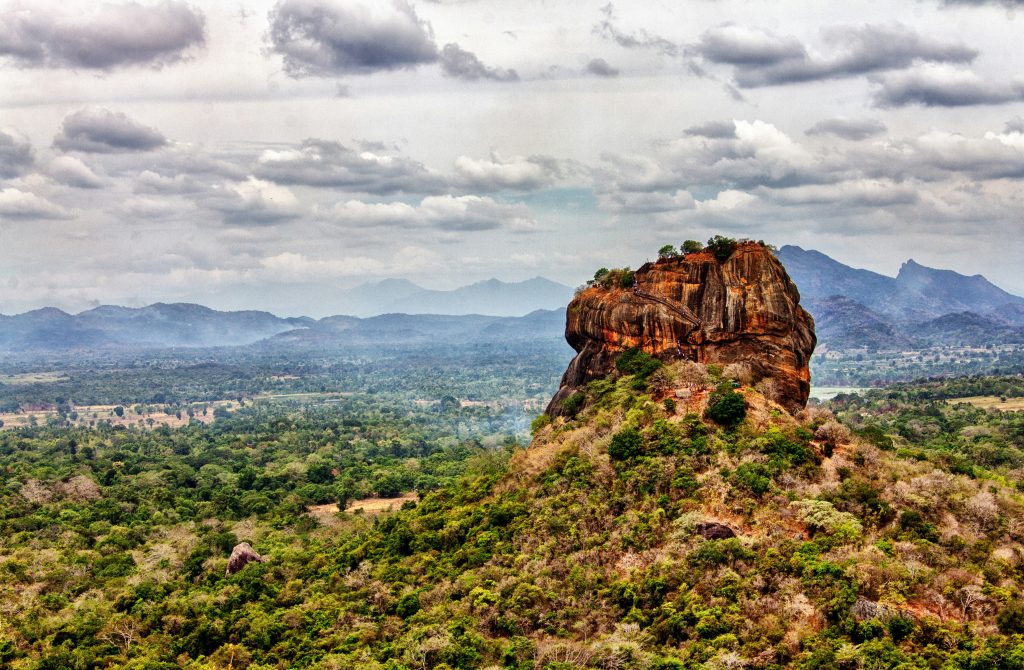
2. Cultural Triangle: Sigiriya, Dambulla, Polonnaruwa (Generally Open)
These iconic heritage sites remain accessible and operational.
Current status:
- Major attractions are open
- Some surrounding communities are still recovering
- Roads into the region are passable, though occasional delays or detours still occur due to ongoing recovery efforts in surrounding districts.
Traveller takeaway:
This region is visitable, but travellers should remain flexible and choose locally owned accommodation and guides to support the area’s recovery.
3. East Coast : Trincomalee, Batticaloa (Mixed But Improving)
The east coast experienced heavy rainfall during the cyclone but has seen faster water recession in some areas.
Traveller takeaway:
A viable option for 2026 travel. Some areas are already stabilising, but travellers should check local conditions before planning immediate travel.
4. Trekking Areas: Knuckles Range (Closed)
Sri Lanka Tourism has confirmed that Knuckles Mountain Range remains closed due to safety concerns and damage.
Traveller takeaway:
Swap major treks for gentler routes or coastal walks until conditions improve.
So… Is It Safe to Travel to Sri Lanka Right Now?
Here’s the balanced, honest answer:
If you have a trip booked in the immediate weeks:
Travel remains possible to the west and south coasts, Colombo, and many cultural sites, though flexibility is essential due to ongoing inland disruptions. Expect:
- Some road detours
- Possible travel delays
- Visible recovery operations
Always check updates from:
- Sri Lanka Tourism
- Airlines
- Your accommodation
- Your government travel advisory
If you’re planning a trip for 2025 or 2026:
It is absolutely still a great time to plan (we personally are planning a 2026 trip and still proceeding with plans). Tourism plays a real role in Sri Lanka’s recovery, the positive impact of your travels can be amplified by choosing:
- Family-run guesthouses
- Local drivers
- Local guides
- Sri Lankan-owned restaurants
Your trip can genuinely support communities rebuilding after the floods.
How to Travel Responsibly During the Recovery Period
If you choose to travel, consider:
1. Supporting local businesses directly: Avoid large chains for meals, tours and activities.
2. Staying in family-owned villas or guesthouses: Your money stays within the community.
3. Checking conditions daily before moving between regions: Weather and road updates can change quickly.
4. Being patient and kind: People are recovering from loss. Gentle tourism helps.
5. Donate to trusted organisations on the ground (optional, but impactful) – below are some examples:
- Sri Lanka Red Cross Society – supporting emergency relief & evacuation
- Palmera – Providing essential supplies for children in care
- Kind Hearted Lankans – Providing supplies and shelter for those impacted
Travelling to Sri Lanka Soon?
Make sure to check out everything (else) you need to know before going to Sri Lanka. Also, follow us on Tik Tok or Instagram at @srilankaunpacked and join our community of travellers planning future Sri Lanka adventures.

Great post. I was checking constantly this blog and I’m impressed!
Very useful information particularly the last part 🙂 I
care for such information much. I was looking for this certain info for a long time.
Thank you and best of luck.